
-
Historical Bagamoyo
A Glimpse into the History of Bagamoyo
 Nestled along the shimmering coastline of Tanzania, Bagamoyo boasts a story as captivating and multifaceted as the Indian Ocean tides that lap at its shores. What began as a humble fishing and trading hamlet centuries ago, Bagamoyo blossomed into a bustling center of commerce in the 19th century, becoming an essential gateway for the notorious East African slave and ivory trades. Caravans snaked their way from the heart of the continent, their arduous journeys culminating in this port, where goods, people, and dreams were exchanged on the threshold of the open sea. The
  town’s name itself, Bagamoyo—meaning “lay down your heart”—echoes with the poignant memories of those whose lives were forever changed here.
Bagamoyo’s significance stretched beyond trade. It became a cultural crossroads, a place where Arab, Swahili, and
 European influences met and mingled. It welcomed legendary explorers and missionaries—most famously, David Livingstone, whose mortal remains rested here on their way home to Britain, immortalizing the town in global history. In the twilight years of the 19th century and the dawn of the 20th, Bagamoyo was crowned the capital of German East Africa, its streets pulsing with administrative and mercantile activity, before the honor shifted to Dar es
 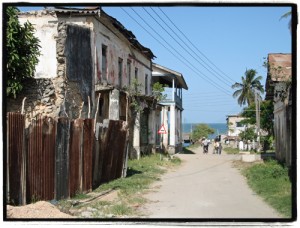 Salaam. Today, the town’s storied past lingers in its architecture: the weathered coral stone walls, grand Arab houses, and German colonial edifices stand as eloquent witnesses to centuries of change.
Bagamoyo’s legacy endures, beckoning travelers and scholars alike. As a candidate for UNESCO World Heritage status, the town captures the imagination with its blend of history, resilience, and coastal charm, offering a living testament to Tanzania’s vibrant heritage.


